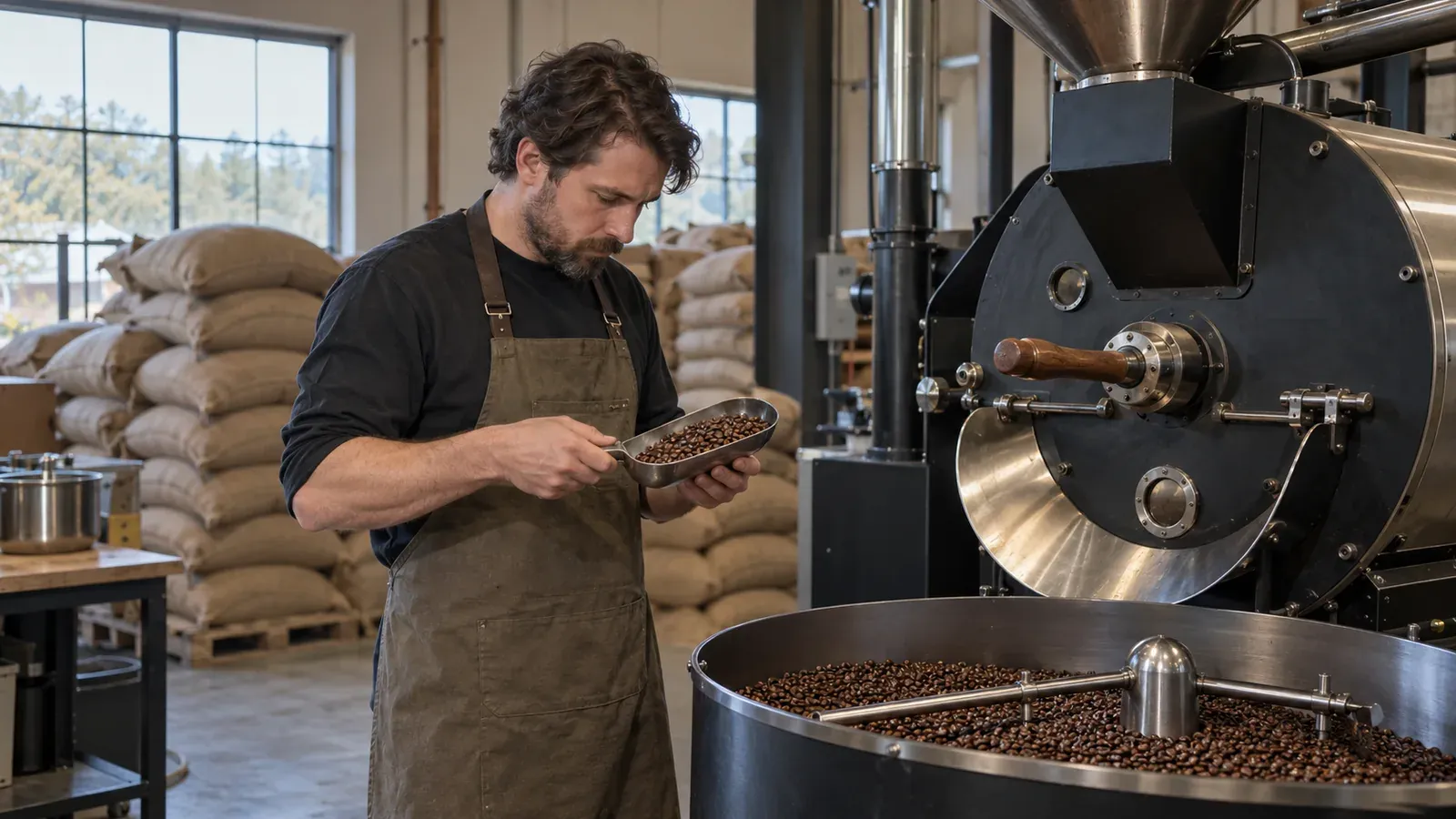
Roaster deals at a glance
- Typical buyers
- Larger regional roasters, food and beverage groups, cafe operators and individual buyers with retail experience
- What lifts the price
- Wholesale accounts under contract, grocery placement, spare roasting capacity, documented roast profiles
- What pulls it down
- Thin margins from green coffee price swings, one large account, a brand tied to the founder
- Paperwork buyers ask for
- Customer list by revenue, supplier contracts, food safety records, equipment maintenance logs
- Watch for
- Retail cafe leases priced separately from the roasting operation
Wholesale Is What Buyers Pay For
Cafe sales are visible, but wholesale is usually what a buyer values most. Grocery placement, office coffee programs, restaurants and other cafes buying your beans create repeat orders that don't depend on foot traffic.
Prepare a list of wholesale accounts with three years of revenue each. Note which ones have written agreements and which are handshake deals.
Show Your Margins Through a Price Swing
Green coffee prices move a lot. Buyers will look at your gross margin over several years to see whether you raised prices when costs jumped or absorbed the hit.
If you buy forward or hold contracts with importers, include them. They show the buyer you manage input costs, not just react to them.
Capacity and Equipment
A buyer wants to know how much more you could roast with the equipment you have. Spare capacity means growth without a large purchase, which supports a better price.
Roasters, afterburners and packaging lines are tangible assets. In an asset sale, Washington retail sales tax generally applies to them, so the allocation of the price matters.
Food Safety and Records
Buyers, and especially grocery customers, expect a food safety program, lot tracking and clean inspection history. If you hold a third party food safety certification, say so early.
Keep roast profiles, blend recipes and supplier specs written down. A roastery that only works when the founder is at the machine is worth less.
Buyers also like to see a brand with a story customers repeat. If local press, awards or long running grocery placement back that story up, collect it in one place.
Cafes and the Brand
If you run cafes, buyers will look at each lease and each location's results separately. A strong roasting business with one weak cafe can still sell well if the weak lease is short.
The brand belongs to the company, not to you, so make sure trademarks, the website and social accounts are in the company's name before you go to market.
To see how the whole company gets priced, read business valuation in Seattle. Then use the price check form or call (206) 555-0171.